Your Ad Here

DRUG FOR HEALTH

Your portal to updated news on the world of medicines and drugs

Showing posts with label treatment. Show all posts

Friday, 16 July 2010

Rheumatoid arthritis (part 2): symptoms treatment

The disease symptoms appear and disappear, depending on the degree of inflammation of the joints. When tissues are inflamed the condition is active and when not feeling joints inflamed, disease is inactive, can occur spontaneously or after treatment, and maylast several weeks, months or years.

During the liberation, the disease symptoms disappear and, in general, patients feel better. When the disease symptoms recur, reappearance of disease symptoms is called burst. When disease is active can occur tiredness, lack of appetite, fever, pain and stiffness in their joints and muscles. Rigidity of muscles and joints, usually occurs in the morning and after periods of inactivity.

During outbreaks joints are swollen, painful and sensitive. It happens so because joints become inflamed, resulting in excessive production of liquid. In rheumatoid arthritis, are usually more swollen joints in symmetrical fashion (the same body part). And small joints are involved, such as those in hands or feet. Thus, ordinary activities, daily, such as door handles or opening jars can become almost impossible during outbreaks.

Occasionally, only one joint is inflamed, and in this case can mimic arthritis joint inflammation caused by other forms of arthritis such as gout or joint infection. Chronic inflammation can cause damage to body tissues, and bones. This situation leads to loss of cartilage, bone erosion and weakening, resulting in joint deformation but also the destruction and loss of functionality.

In rare cases, rheumatoid arthritis may affect joints responsible for stretching the vocal cords, change the tone of voice, in this case is hoarseness of voice. Because rheumatoid arthritis is a systemic disease, inflammation can affect organs, other than joints.

Swollen glands of the eyes or mouth can cause dryness of these areas, giving rise to Sjogren's syndrome. Rheumatoid inflammation of lung pleura causes chest pain with cough and difficulty breathing. Inflammation of the tissues that surrounds the heart (pericardium), called pericarditis can cause chest pain that typically changes in intensity when you rest or sit.

A serious complication that occurs over time after the onset of rheumatoid disease, is blood vessel inflammation (vasculitis). Vasculitis deteriorating tissues with blood supply, leading to their death.

Treatment. Rheumatoid arthritis treatment aims to reduce inflammation and joint pain. Aggressive treatment can improve function and can stop joint damage. Optional treatment involves a combination of medicines to rest, exercise, joint protection and patient and family education. Also, the treatment is prescribed depending on many factors such as your job, types of joint involved, general health, age and occupation of the patient.

Friday, 18 June 2010

Amputation results from diabetes

Mr. B, age 46 years, was a physician assistant who had worked for the same internist for 10 years. He and Dr. K had an excellent relationship. Their office was in an area with a high prevalence of diabetes, and many of their patients lived with the disease. Both practitioners had an interest in conducting public outreach about the condition.
Mr. B often conducted seminars and lectures in the local pharmacy, adult education classes, and the senior center in town. His lectures covered such topics as metabolic syndrome, coping with newly diagnosed diabetes, foot and skin care for people with diabetes, and understanding medications. He also discussed lifestyle modifications that could improve health, the connection between diabetes and cardiovascular disease, and how to properly monitor blood glucose. These seminars were generally well attended, and a number of people asked interesting and sometimes challenging questions. Mr. B found this community service to be very personally rewarding, and Dr. K was supportive of his endeavors.
Both Mr. B and Dr. K brought this educational attitude into the clinic as well. They stressed the value of empowering patients by helping them understand their conditions. Both practitioners found this strategy effective, although there were always some patients that just couldn't be reached in this manner.
One such patient was Mr. X, a 64-year-old African American who had been a patient for close to 15 years. Mr. X had diabetes, and despite numerous attempts to educate him on the importance of lifestyle modifications, medication compliance, and regular checkups, he was generally noncompliant and mostly disinterested. Not surprisingly, his diabetes was not well controlled. Both practitioners had tried unsuccessfully to convey the importance of controlling his blood glucose, but Mr. X seemed less interested in managing the diabetes and staying healthy than he did in waiting until there was a problem and then coming in for a “quick fix.”

Friday, 11 June 2010

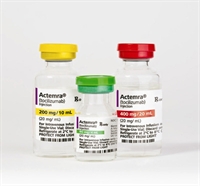
Once-monthly treatment 
for arthritis

Product: Actemra
 
Company: Genentech 

Pharmacologic class: Interleukin-6 (IL-6) receptor inhibitor 


Active ingredient: Tocilizumab 20 mg/mL; solution for IV infusion after dilution; preservative-free. 


Indication: Moderately to severely active rheumatoid arthritis (RA) in patients who have had an inadequate response to one or more tumor necrosis factor (TNF) blockers. May be used with methotrexate or disease modifying antirheumatic drugs (DMARDs). 

 
Pharmacology: IL-6 is produced by monocytes and lymphocytes in the bloodstream and by synovial and endothelial cells in the joints, leading to systemic and local production of IL-6 in patients affected by inflammatory processes such as RA. Tocilizumab binds specifically to both soluble and membrane-bound IL-6 receptors and has been shown to inhibit IL-6-mediated signaling through these receptors. 


Clinical trials: The efficacy and safety of tocilizumab was assessed in five randomized, double-blind studies in patients >18 years with active RA. Tocilizumab was given every four weeks as monotherapy (Study I), in combination with methotrexate (MTX) (Studies II and III) or other DMARDs (Study IV) in patients with an inadequate response to those drugs, or in combination with MTX in patients with an inadequate response to TNF antagonists (Study V). The primary endpoint was the proportion of patients who achieved an American College of Rheumatology (ACR) 20 response at Week 24. In all studies, patients treated with tocilizumab 8 mg/kg had statistically significant ACR20, ACR50, and ACR70 response rates versus MTX- or placebo-treated patients at Week 24. Patients with inadequate response to DMARDs or TNF antagonist therapy treated with tocilizumab 4 mg/kg had lower response rates compared with patients treated with tocilizumab 8 mg/kg. 


Adults: Give once every four weeks as a 60-minute IV infusion. Initially 4 mg/kg, may increase to 8 mg/kg based on clinical response. Do not start if absolute neutrophil count (ANC) <2,000/mm3, platelets <100,000/mm3, or alanine transaminase/aspartate transaminase (ALT/AST) >1.5 upper limit of normal (ULN). Reduce dose to 4 mg/kg if elevated liver enzymes, neutropenia, or thrombocytopenia occur (see literature). 


Children: Not recommended. 


Precautions: ANC <500 mm3, platelets <50,000 mm3, or ALT/AST >5 ULN: not recommended. Monitor neutrophils, platelets, liver function tests every four to eight weeks. Active hepatic disease or impairment: not recommended. Hepatitis B or C virus or infection. Increased risk of serious or fatal infections (e.g., TB, bacterial sepsis, invasive fungal). Active infections: do not give therapy. Chronic or history of recurring or opportunistic infections. Conditions that predispose to infection. Travel to, or residence in, areas with endemic TB or mycoses. Test for and treat latent TB prior to starting therapy. Monitor closely if new infection develops; discontinue if serious or opportunistic infection or sepsis develops. Monitor lipids four to eight weeks after initiation, then every six months. Immunosuppression. Central nervous system demyelinating disorders. Malignancies. Elderly. Pregnancy (Cat. C). Nursing mothers: not recommended. 


Interactions: Increased risk for infection with concomitant immunosuppressants (e.g., TNF antagonists, IL-1R antagonists, anti-CD20 monoclonal antibodies, selective co-stimulation modulators). Avoid live vaccines. Caution with CYP3A4 substrate drugs (e.g., oral contraceptives, lovastatin, atorvastatin). Monitor warfarin, cyclosporine, theophylline, other drugs that are CYP450 substrates with narrow therapeutic indices. 


Adverse reactions: Upper respiratory tract infections, nasopharyngitis, headache, hypertension, increased ALT; infusion reactions, neutropenia, thrombocytopenia, gastrointestinal perforations, increased lipids. 


Containment: Single-use vials (80 mg/4 mL, 200 mg/10 mL, 400 mg/20 mL)—1, 4


Friday, 21 May 2010

New hope for better treatment for a rising cancer

New hope for better treatment for a rising cancer

Poor diet, too much alcohol, smoking and increasing obesity could be leading to an epidemic of oesophageal and upper stomach cancer, according to a leading UK team of specialists at The University of Nottingham and Nottingham University Hospitals.

The Nottingham Gastro-Oesophageal Cancer Research Group has been carrying out intensive research over the past five years to try to improve the treatment of this cancer. A major part of the research is published today in the British Journal of Cancer. The work has been prompted by a large increase in the incidence of cancer of the oesophagus (gullet) and upper stomach over the past 40 years.

According to Cancer Research UK statistics, rates of oesophageal adenocarcinoma and gastro-oesophageal (GOJ) adenocarcinoma have been increasing in the UK. Since the 1970s the incidence of this cancer has increased by 50 per cent in men and 20 per cent in women. Indeed the reported rates for white men in the UK are now the highest in the world.

Doctors believe changes in diet and lifestyle are the key factors behind the rapid rise in the number of cases. This new research is aimed at providing a better treatment and prognosis for a cancer that is historically not survivable past five years from diagnosis. Current standard treatment for potentially operable cancer consists of a 12 week intensive course of powerful chemotherapy, followed by surgery if the tumour is operable, and then a second 12 week course of chemotherapy. This prolonged, intense course of chemotherapy treatment is potentially toxic, impacts on quality of life and is likely to be beneficial only in those patients who respond to chemotherapy.

The Nottingham-based research using molecular cancer pathology and DNA protein expression techniques on tumour samples from around 250 patients after surgery has shown that only between 40 per cent and 50 per cent of these adenocarcinomas actually respond to the chemotherapy. The research has effectively tested a very promising monitoring test during treatment so that doctors can assess whether and how far the tumour is regressing during chemotherapy. In addition, the research has also identified a promising protein marker involved in DNA repair in cancer cells that predicts resistance to chemotherapy in tumours.

The new information could empower doctors to decide whether to recommend a second course of powerful chemotherapy after surgery. The research also paves the way for wider and more specialised clinical trials for this cancer which will monitor patients in real-time, rather than using past samples, and which could lead to new combinations of chemotherapy, including the new breast cancer drug, Herceptin, which has recently been proven to be effective in gastro-oesophageal cancers.

Dr Srinivasan Madhusudan, Clinical Associate Professor & Consultant in Medical Oncology at Nottingham University Hospitals and the University’s School of Molecular Medical Sciences, said: “Recent scientific advances have given real hope for patients with gastro-oesophageal cancers. The Nottingham Upper Gastrointestinal Cancer Group is a multidisciplinary research team consisting of Oncologists, Surgeons, Pathologists and Radiologists. We aim to exploit the ‘new science’ for patient benefit. This study published online today in the British Journal of Cancer provides evidence that it may be possible to tailor gastro-oesophageal cancer treatments based on ‘new’ biology. We are planning a larger prospective multicentre study to confirm these findings and we believe will have major clinical impact on how we treat these aggressive tumours in the future.”

Source:http://communications.nottingham.ac.uk/News/

Friday, 7 May 2010

Unravelling the health-giving properties of fruit and veg

Unravelling the health-giving properties of fruit and veg


Scientists at The University of Nottingham are to use their share of a unique £6.5m research award to discover which genes control the health promoting properties of fruit and vegetables.

As part of a cross-channel partnership to enhance international collaboration in Systems Biology Graham Seymour, Professor of Plant Biotechnology, and Charlie Hodgman, Director of the Centre for Plant Integrative Biology, will be working on a systems biology approach to understand the metabolic networks underlying health based quality traits in tomato fruit.

With their award of nearly £300,000 from the Biotechnology and Biological Sciences Research Council (BBSRC) and the Agence Nationale de la Recherche (ANR) the bio-scientists will be working in collaboration with Royal Holloway University of London, the National Scientific Research Centre, Paris (CNRS) and the Plant Genomics Centre, INRA, Evry, near Paris.

Professor Seymour said: “The health promoting properties of diets rich in fruit and vegetables has been attributed to the synergistic effects of various phytochemicals in food such as vitamins, flavonoids and carotenoids.

"This project aims to study an experimental model tomato that has very high levels of these health-related compounds. The researchers aim to use a systems biology approach to integrate information at many different levels about the tomato and to produce a predictive model of how the formation of these phytochemicals is controlled.”

Professor Hodgman said: "The long-term intention of the Centre for Plant Integrative Biology which is funded by the BBSRC and the Engineering and Physical Sciences Research Council is to apply work and techniques developed on model plant organisms to crop species. This tomato work is a very welcome first step."

BBSRC and ANR, the leading public life-science funding agencies in the UK and France, are funding a total of 10 new projects involving 22 different universities and institutes in the UK and France.

Each project has at least one UK and one French partner institution and the initiative aims to build European collaboration in Systems Biology. BBSRC has already invested over £70m in UK and European Systems Biology initiatives and the UK is one of the world leaders in this new and growing approach to tackling bioscience problems.

Systems biology is a revolution in the way bioscientists think and work. It brings together researchers across different disciplines, combining theory, computer modelling and experiments. Systems biology will make the outputs of bioscience research more useful and easier to apply in the real world, as well as advancing our understanding of biological processes.

The new projects will give the researchers involved access to complementary expertise and skills and will help develop the field of Systems Biology by coordinating BBSRC and ANR resources.

Mr Steve Visscher, BBSRC Interim Chief Executive, said: “Systems Biology holds great promise for delivering real, practical advances in healthcare, biotechnology and environmental research much faster than traditional biology. Collaborative initiatives with international partners enable us to increase the impact of our funding and the impact of the research being done by our scientists.

“We have been pleased to see that not only has the partnership between BBSRC and ANR resulted in a successful initiative but that the range and quality of the projects funded is also broadening the areas being studied by Systems Biology.”

Mrs Jacqueline Lecourtier, ANR General Manager, said: “As a young agency created in 2005, this was the first bilateral call undertaken within the Health & Biology Department. By answering this call, Systems Biology growing communities showed that they were ready to share their views and expertises. Moreover, this initiative allowed BBSRC and ANR to fund high quality and cross-disciplinary proposals, which is one of our missions.

“ANR and BBSRC cooperation was very successful on both levels, management and scientific. Future collaborations involving additional countries are already on their way through the ERANET ERASysBio.”

Source:http://communications.nottingham.ac.uk/News/